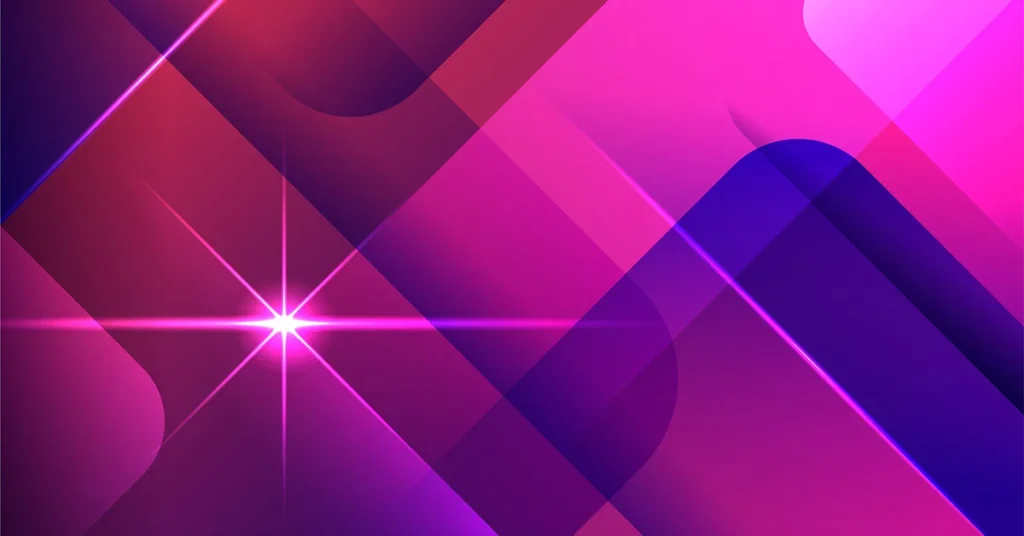
Walk through a modern website, scroll Instagram, step into a boutique café, or browse contemporary interior design magazines—you’ll notice something striking. Shades of Colour Pink Purple are everywhere. From soft blush and lavender to bold magenta and deep violet, these colors have quietly taken over modern design.
The allure of Colour Pink Purple in modern design comes from their emotional depth, versatility, and ability to feel both nostalgic and futuristic at the same time. Once boxed into stereotypes—Colour Pink Purple as too soft and purple as too royal—these colors have been redefined by designers who understand their power.
we’ll explore why Colour Pink Purple have become such influential forces in modern design, how they affect emotions, where they are most commonly used, and how designers use them strategically to create memorable experiences. Whether you’re a designer, brand owner, or simply someone who appreciates aesthetics, this deep dive will give you valuable insight into why these colors captivate us so effortlessly.
ALSO READ: Did God Create Dinosaurs? Exploring Faith And Fossils
The Psychological Power Behind Colour Pink Purple
Pink: Warmth, Comfort, and Modern Confidence
Pink is no longer just playful or romantic. In modern design, it represents warmth, empathy, and emotional connection. Softer tones like blush and dusty rose create calm, welcoming environments, while brighter shades like hot pink signal confidence, creativity, and boldness.
Pink has a unique psychological effect—it feels personal. It invites people in. That’s why many brands use it to appear approachable and human rather than corporate or distant.
In digital design, Colour Pink Purple often softens interfaces, making them feel friendly and intuitive. In interiors, it adds warmth without overwhelming the space.
Purple: Creativity, Depth, and Imagination
Purple has always carried a sense of mystery and sophistication. Historically associated with royalty and spirituality, purple now symbolizes creativity, innovation, and individuality in modern design.
Lighter purples like lavender feel calming and dreamy, while deeper purples evoke luxury and depth. Purple stimulates imagination, making it especially popular in creative industries, tech brands, and artistic spaces.
When designers use purple thoughtfully, it communicates originality and vision—qualities that modern audiences are drawn to.
Why Colour Pink Purple Work So Well Together
A Perfect Balance of Energy and Calm
One of the biggest reasons for the allure of colour pink purple in modern design is how well they complement each other. Colour Pink Purple brings warmth and emotional openness, while purple adds depth and sophistication.
Together, they create balance.
Pink softens purple’s intensity, Colour Pink Purple a sense of maturity. This pairing allows designers to create visuals that feel both energetic and grounded.
Versatility Across Design Styles
Whether the design style is minimal, futuristic, playful, or luxurious, Colour Pink Purple adapt beautifully. They can be subtle accents or bold focal points, depending on how they’re used.
This flexibility makes them ideal for modern design, which values personalization and adaptability over rigid rules.
Colour Pink Purple In Modern Graphic And Digital Design
Web Design and User Interfaces
Modern websites often use pink and purple gradients to create depth and visual interest. These gradients feel dynamic without being aggressive, which keeps users engaged.
Pink and purple are especially popular in:
- Creative portfolios
- Lifestyle and beauty websites
- Tech startups and apps
- Wellness and self-care platforms
They guide attention naturally, highlight calls to action, and add emotional warmth to digital experiences.
Brand Identity and Visual Storytelling
Brands today want to feel relatable, expressive, and bold. Pink and purple help tell that story.
Pink communicates care, inclusivity, and authenticity. Purple signals originality and vision. Together, they allow brands to stand out while still feeling emotionally connected to their audience.
This is why many modern brands use these colors in logos, packaging, and social media visuals.
The Role Of Pink And Purple In Interior Design
Creating Mood Through Color
In interior design, color sets the emotional tone of a space. Pink and purple are used to create environments that feel comforting yet inspiring.
Soft pink walls can make a room feel warm and inviting. Purple accents add depth and personality without overpowering the space.
Designers often use these colors in:
- Bedrooms for relaxation
- Creative studios for inspiration
- Cafés and boutiques for memorable ambiance
- Modern homes seeking uniqueness
From Subtle Accents to Bold Statements
Pink and purple don’t have to dominate a room. Even small touches—throw pillows, artwork, lighting, or furniture—can transform the feel of a space.
Modern interior design embraces these colors in creative ways, mixing them with neutrals, metals, or natural textures to create harmony.
Fashion And Product Design: A New Expression Of Identity
Breaking Gender Norms Through Color
One of the most powerful aspects of pink and purple in modern design is how they challenge outdated stereotypes.
Pink is no longer “just for women,” and purple is no longer reserved for luxury or fantasy themes. Designers now use these colors to express individuality, inclusivity, and self-expression.
In fashion and product design, pink and purple appear in everything from streetwear to tech accessories, proving their universal appeal.
Emotional Connection Through Design
Products designed with pink and purple often feel more personal and emotionally engaging. These colors invite users to form a connection with the object, not just use it.
This emotional bond is a key factor in modern consumer behavior, where people seek meaning as much as functionality.
Minimalism Meets Bold Color
Why Modern Minimalism Loves Pink and Purple
Minimalist design doesn’t mean boring. Modern minimalism often relies on strong color choices to make an impact.
Pink and purple work beautifully in minimalist layouts because they add personality without clutter. A simple design with intentional color placement can feel powerful and memorable.
Designers often pair these colors with:
- Clean typography
- White or neutral backgrounds
- Simple shapes and layouts
The result is a design that feels modern, expressive, and timeless.
Cultural Influence And Social Media Trends
The Instagram Effect
Social media has played a huge role in the rise of pink and purple. These colors photograph beautifully, stand out in feeds, and evoke emotion instantly.
From neon signs to pastel backdrops, pink and purple have become visual shorthand for modern aesthetics online.
Pop Culture and Digital Art
Music, digital art, gaming, and film have also embraced these colors. Purple often represents futuristic or alternate realities, while pink adds emotion and humanity.
This cultural influence feeds back into modern design, reinforcing the allure of colour pink purple across industries.
How Designers Use Pink And Purple Strategically
Choosing the Right Shade Matters
Not all pinks and purples communicate the same message. Modern design focuses on intentional color choices.
- Soft pinks: calm, nurturing, approachable
- Bright pinks: energetic, bold, expressive
- Light purples: dreamy, peaceful, creative
- Dark purples: luxurious, mysterious, powerful
Understanding these nuances helps designers create designs that resonate emotionally.
Balance Is Key
Too much color can overwhelm. Modern design often uses pink and purple as accents rather than dominating elements, allowing them to shine without overpowering the viewer.
The Future Of Pink And Purple In Modern Design
The appeal of pink and purple isn’t fading anytime soon. As design continues to prioritize emotional connection, inclusivity, and individuality, these colors will remain relevant.
Their ability to adapt to new styles, technologies, and cultural shifts ensures they will continue shaping modern design for years to come.
The allure of colour pink purple lies in their depth—they are soft yet powerful, playful yet sophisticated, nostalgic yet futuristic.
Conclusion
The allure of colour pink purple in modern design is rooted in emotion, versatility, and storytelling. These colors go beyond aesthetics—they communicate feelings, challenge norms, and create meaningful experiences.
From digital interfaces to interiors, fashion to branding, pink and purple have redefined how we perceive modern design. They invite us to feel, imagine, and connect.
In a world where design is no longer just about looking good but also about feeling right, pink and purple stand out as colors that truly understand the human experience.
FAQs
What is the allure of colour pink purple in modern design?
The allure of colour pink purple in modern design lies in their emotional impact, versatility, and ability to feel both warm and sophisticated. These colors connect with people on a deeper level while remaining visually striking.
Why are pink and purple popular in modern branding?
Pink and purple help brands feel approachable, creative, and distinctive. They communicate personality and emotion, which modern audiences value.
Can pink and purple be used in minimalist design?
Yes, they work beautifully in minimalist design when used intentionally. Even subtle accents can add personality without clutter.
Do pink and purple work well together in design?
Absolutely. Pink adds warmth while purple adds depth, creating a balanced and harmonious color combination.
Are pink and purple suitable for professional design projects?
Yes. When chosen thoughtfully, these colors can feel professional, modern, and sophisticated across many industries.