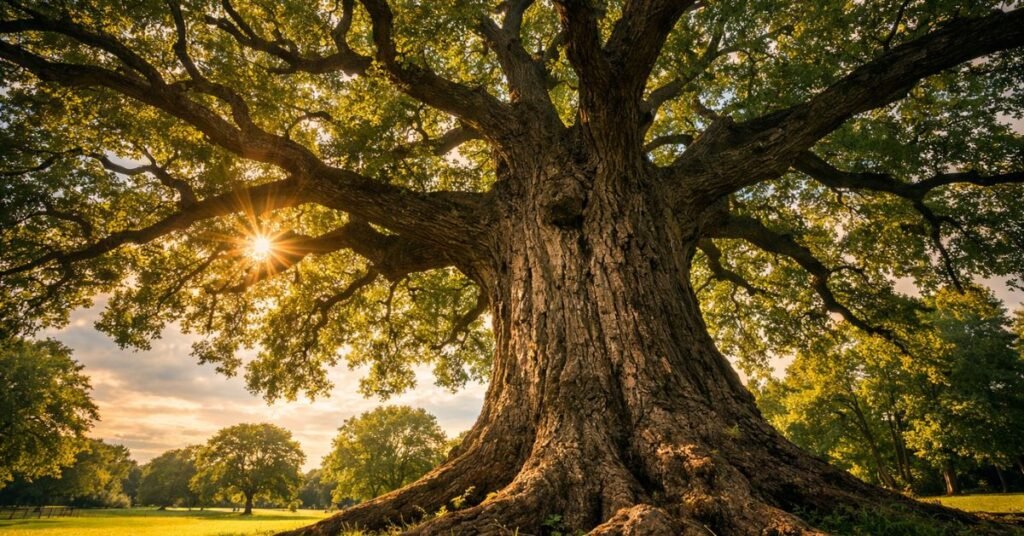
There’s something humbling about standing beneath a tree that was already old before your grandparents were born.
In Lewis Center, Ohio, just north of Columbus, a handful of extraordinary trees quietly hold that kind of history. They stretch skyward with massive trunks, sprawling canopies, and root systems that have survived storms, development, droughts, and decades of change. Locals often drive past them without realizing they are looking at something rare — Ohio Champion Trees, the largest known examples of their species in the state.
These giants are not simply botanical curiosities. They are living records of Ohio’s ecological history, markers of community identity, and increasingly important symbols in conversations about conservation and climate resilience.
Understanding Ohio champion trees in Lewis Center reveals a fascinating story about nature, science, and the surprising ways one tree can change how an entire community sees its landscape.
What Are Ohio Champion Trees?
In Ohio, a Champion Tree is the largest documented specimen of a particular species within the state. The designation is part of the Ohio Champion Tree Program, which tracks and celebrates the most impressive trees across Ohio.
Trees are ranked using a standardized scoring system that combines:
- Trunk circumference
- Tree height
- Average crown spread
The formula used is:
Trunk Circumference (in inches) + Height (in feet) + ¼ Crown Spread (in feet)
The highest scoring tree for a species becomes the state champion.
While many assume champion trees are hidden deep in forests, the reality is more surprising. Some grow in suburban neighborhoods, parks, golf courses, and churchyards — including areas around Lewis Center.
Why Lewis Center Is Home to Remarkable Trees
Lewis Center sits within Delaware County, one of Ohio’s fastest-growing regions. Yet despite rapid development, the area still preserves fragments of historic woodlands and old-growth specimens.
Several factors make the region ideal for producing unusually large trees:
1. Rich Glacial Soil
Central Ohio sits on fertile glacial deposits that provide excellent nutrients and drainage.
2. Balanced Climate
Moderate rainfall and seasonal variation allow trees to grow steadily without the extreme droughts or hurricanes common in other regions.
3. Historic Farm Landscapes
Many champion trees survived because they stood in open farm fields or property boundaries, where they had room to expand.
4. Community Preservation Efforts
Local conservation groups and residents often recognize the value of mature trees and advocate for protecting them.
These conditions create an environment where certain trees can grow bigger, wider, and older than typical specimens.
Notable Champion Trees Near Lewis Center
Although exact champions can change as new trees are measured, the Lewis Center region has hosted several remarkable large specimens.
1. Bur Oak Giants
Bur oaks are among the most impressive trees in Ohio, known for:
- Thick, rugged bark
- Massive spreading branches
- Lifespans exceeding 300 years
Some bur oaks in Delaware County have trunk circumferences exceeding 20 feet, making them among the most visually striking trees in the state.
What makes bur oaks unique is their ability to survive both prairie fires and harsh winters, which allowed them to dominate early Ohio landscapes.
2. Cottonwood Titans
Eastern cottonwoods grow incredibly fast and can reach extraordinary sizes.
In favorable conditions like those found in Central Ohio, cottonwoods can reach:
- 100+ feet tall
- Trunks over 15 feet around
- Huge canopy spreads
Many champion cottonwoods are located near river systems or old floodplains, which are common around the Scioto River watershed near Lewis Center.
3. Tulip Tree Monarchs
The tulip tree (also called tulip poplar) is actually one of the tallest hardwood trees in North America.
In Ohio’s fertile soil, tulip trees can grow:
- 120 feet tall
- Perfectly straight trunks
- Towering cathedral-like crowns
Some champion tulip trees feel almost architectural — like natural skyscrapers rising from the forest floor.
The Hidden Story Champion Trees Tell About Ohio’s Past
Champion trees are not just large — they are historical artifacts.
Many of these giants started growing in the 1700s or early 1800s, when much of Ohio was still frontier forest.
That means they witnessed:
- Early Indigenous land stewardship
- 19th-century settlement and farming
- The transformation of Ohio into modern suburbs
A champion oak in Lewis Center could have been growing when Ohio became a state in 1803.
Think about that for a moment.
Entire cities have risen and changed while that single tree quietly continued growing ring by ring.
Why Champion Trees Matter More Than Ever
In the age of climate change and urban expansion, large trees provide benefits that smaller plantings simply cannot replicate.
Carbon Storage
Large mature trees store massive amounts of carbon compared to young trees.
One mature oak can store several tons of carbon over its lifetime.
Urban Cooling
Big tree canopies reduce surrounding temperatures by 2–9°F, helping combat the urban heat island effect.
Biodiversity Support
Champion trees often host:
- Hundreds of insect species
- Nesting birds
- Squirrels and small mammals
- Beneficial fungi
In many ways, a single large tree functions like a miniature ecosystem.
Cultural Identity
Communities often rally around historic trees. Some become local landmarks, gathering places, or symbols of preservation.
In Lewis Center, protecting large trees helps maintain the region’s connection to its rural past.
How Champion Trees Are Measured and Verified
Becoming an official Ohio Champion Tree requires careful documentation.
The process usually involves:
- Tree nomination by residents, arborists, or researchers
- Field measurement by forestry experts
- Verification through the Ohio Department of Natural Resources or partner organizations
Measurements are periodically updated because trees continue growing — meaning champions can change over time.
A challenger tree somewhere else in Ohio could eventually surpass the current record holder.
How to Find Champion Trees in Lewis Center
If you’re interested in seeing these giants, start by exploring:
- Local parks
- Historic cemeteries
- Older neighborhoods
- Rural roadways
- Nature preserves
Champion trees often grow where development never disturbed them.
Delaware County’s mix of preserved farmland and suburban green space creates unexpected opportunities to discover these living landmarks.
Sometimes the most impressive trees are hidden in plain sight.
Can You Nominate a Champion Tree?
Yes — and many champions are discovered by ordinary residents.
If you find an unusually large tree:
- Measure the trunk circumference at 4.5 feet above ground
- Estimate height and crown spread
- Compare measurements with the current Ohio champion list
- Submit documentation to the Ohio Champion Tree Program
You might discover that the massive tree in a backyard or church lawn is actually one of the largest in the entire state.
The Future of Champion Trees in Growing Communities
Lewis Center is expanding rapidly as Columbus continues to grow.
With development comes difficult choices about land use, infrastructure, and housing. Champion trees represent a challenge — and an opportunity.
Forward-thinking communities are beginning to treat large trees as natural heritage assets, not obstacles to development.
Some cities now integrate champion trees into:
- park designs
- neighborhood greenways
- protected ecological corridors
Protecting them ensures future generations can stand beneath the same towering canopies we enjoy today.
The Quiet Power of a Giant Tree
Most people don’t travel across the country to see a champion tree.
But when they finally encounter one — towering above everything around it — the reaction is almost always the same: awe.
You suddenly realize that nature operates on a timescale far longer than our own.
In Lewis Center, Ohio, those living giants still stand quietly along roadsides, parks, and open fields. They grow a little taller each year, adding another ring to a story that began centuries ago.
And chances are, one of them might still be waiting to be discovered as Ohio’s next champion tree.