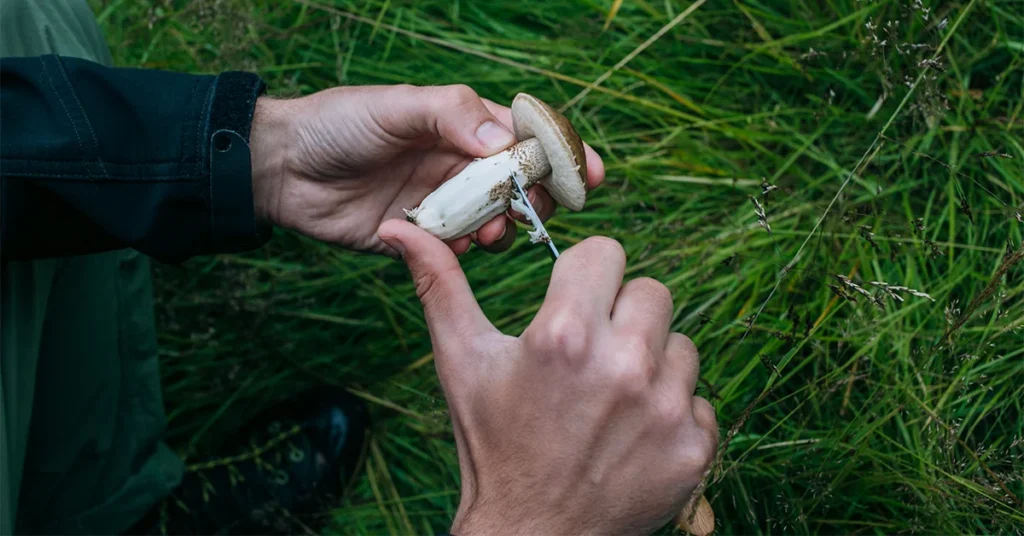
Hidden away from mainstream travel guides and whispered about in local lore, Poison Funguar La Theine Location is one of those places that instantly sparks curiosity—and caution. The name alone sounds mysterious, even dangerous, and for good reason. Known for its unusual fungal growths, toxic spores, and fragile ecosystem, this location has drawn explorers, researchers, and adventure-seekers who are fascinated by nature’s darker, more complex side.
Exploring the Poison Funguar La Theine location safely requires preparation, awareness, and respect for the environment. This isn’t a casual sightseeing spot or a place to wander without knowledge. It’s a location where understanding what you’re dealing with can make the difference between a memorable experience and a harmful one.
we’ll walk through everything you need to know—from what makes Poison Funguar La Theine Location unique, to the risks involved, and how to explore it responsibly without putting yourself or others in danger.
ALSO READ: Astally Explained: Features, Benefits, And Uses
Understanding Poison Funguar La Theine Location
Poison Funguar La Theine Location is known primarily for its dense concentration of rare and toxic fungal species. These fungi thrive in specific environmental conditions, often in damp, shaded areas with limited airflow. Over time, this has created a highly specialized ecosystem that supports both life and risk in equal measure.
Unlike ordinary forest fungi, many species found here release spores that can irritate the skin, affect breathing, or cause allergic reactions. Some are mildly toxic, while others can be dangerous if touched or inhaled without protection.
What makes this location particularly fascinating is how these fungi interact with the surrounding environment. They break down organic matter rapidly, alter soil chemistry, and even influence nearby plant growth. This balance is delicate, which is why careless exploration can have lasting consequences.
Why People Are Drawn To This Location
Despite its risks, Poison Funguar La Theine Location continues to attract attention for several reasons:
Scientific Interest
Researchers and biologists study the area to better understand toxic fungi, spore behavior, and ecological balance. Some species found here are extremely rare and not easily observed elsewhere.
Adventure and Exploration
For experienced explorers, the challenge of safely navigating a hazardous environment is part of the appeal. The landscape feels otherworldly, almost untouched by modern tourism.
Educational Value
When approached responsibly, the location offers a powerful lesson in respecting nature’s limits. It reminds visitors that not all natural beauty is meant to be interacted with directly.
Potential Dangers You Should Know About
Before considering a visit, it’s essential to understand the risks associated with Poison Funguar La Theine Location.
Toxic Spores
Many fungi in the area release spores that can irritate the respiratory system. Prolonged exposure without protection may lead to coughing, dizziness, or nausea.
Skin Reactions
Direct contact with certain fungal surfaces can cause rashes, itching, or burns. Some reactions may not appear immediately, making them harder to identify.
Environmental Instability
The ground in some areas may be soft or decomposing due to fungal activity. This increases the risk of slips, falls, or sudden sink-ins.
Limited Medical Access
These locations are often remote. In the event of a reaction or injury, immediate medical help may not be readily available.
Preparing For A Safe Exploration
Preparation is the most important step in exploring the Poison Funguar La Theine location safely.
Research Thoroughly
Understand the specific characteristics of the area before you go. Know which zones are considered high-risk and which are relatively safer for observation.
Wear Protective Gear
Protective clothing is not optional. Long sleeves, gloves, closed boots, and a mask designed to filter spores are essential. Eye protection is also strongly recommended.
Limit Exposure Time
Even with protective gear, spending too much time in the area increases risk. Plan short visits and take breaks in safer zones when possible.
Never Go Alone
Exploring with at least one other knowledgeable person ensures help is available if something goes wrong.
Best Practices While On-Site
Once you’re at Poison Funguar La Theine Location how you behave matters just as much as how you prepared.
Observe, Don’t Touch
Many accidents happen because of curiosity. Touching fungi, even briefly, can expose you to toxins. Observation from a safe distance is always the better choice.
Stay on Stable Paths
Avoid wandering into dense fungal clusters or soft ground. Stick to known observation areas whenever possible.
Avoid Eating or Drinking On-Site
Airborne spores can settle on food and water. Save eating and drinking for after you’ve left the area and cleaned up.
Monitor Your Body
Pay attention to how you feel. If you notice dizziness, irritation, or breathing discomfort, leave the area immediately.
Environmental Responsibility And Ethics
Poison Funguar La Theine Location is not just a dangerous location—it’s a fragile one.
Do Not Disturb the Ecosystem
Removing samples, breaking fungal structures, or altering the environment can disrupt ecological balance.
Leave No Trace
Anything you bring in should leave with you. Waste can introduce foreign bacteria or chemicals that harm fungal growth.
Respect Restrictions
If certain areas are marked off or restricted, there’s a reason. These rules exist to protect both visitors and the environment.
Who Should Avoid This Location
While the area is fascinating, it’s not suitable for everyone.
- People with respiratory conditions
- Individuals with severe allergies
- Children and pets
- Anyone without proper protective equipment
Knowing your limits is part of responsible exploration.
Long-Term Health Considerations
Exposure to toxic fungi doesn’t always cause immediate symptoms. In some cases, reactions develop hours or even days later. After visiting Poison Funguar La Theine Location it’s wise to:
- Wash all clothing separately
- Shower thoroughly
- Monitor your health for several days
- Seek medical advice if symptoms appear
Taking these steps helps reduce lingering risks.
Why Safety Awareness Matters
Exploring dangerous natural locations without understanding the risks can lead to serious consequences—not just for individuals, but for future visitors as well. Accidents often result in stricter access limitations or permanent closures.
By learning how to explore the Poison Funguar La Theine location safely, you’re helping preserve access, knowledge, and respect for this rare environment.
Conclusion
Poison Funguar La Theine Location is a place where nature showcases both beauty and danger in equal measure. Its toxic fungi, mysterious atmosphere, and scientific value make it an intriguing destination—but only for those who approach it with caution, preparation, and respect.
Safe exploration isn’t about fear; it’s about awareness. When you understand the risks and take the right precautions, you can observe this remarkable location without harming yourself or the ecosystem. Nature doesn’t need to be conquered to be appreciated—sometimes, it just needs to be respected from a safe distance.
FAQs
What is Poison Funguar La Theine Location?
Poison Funguar La Theine Location known for its concentration of toxic and rare fungal species, creating a unique but potentially dangerous natural environment.
Is it safe to visit Poison Funguar La Theine?
It can be safe if explored responsibly with proper protective gear, preparation, and limited exposure time.
Why are the fungi there considered dangerous?
Many of the fungi release toxic spores or cause skin irritation upon contact, which can affect breathing and overall health.
Can beginners explore this location?
It’s not recommended for beginners. Prior experience, guidance, and safety knowledge are important for minimizing risks.
What should I do if I feel unwell after visiting?
Leave the area immediately, clean yourself and your gear thoroughly, and seek medical advice if symptoms persist.