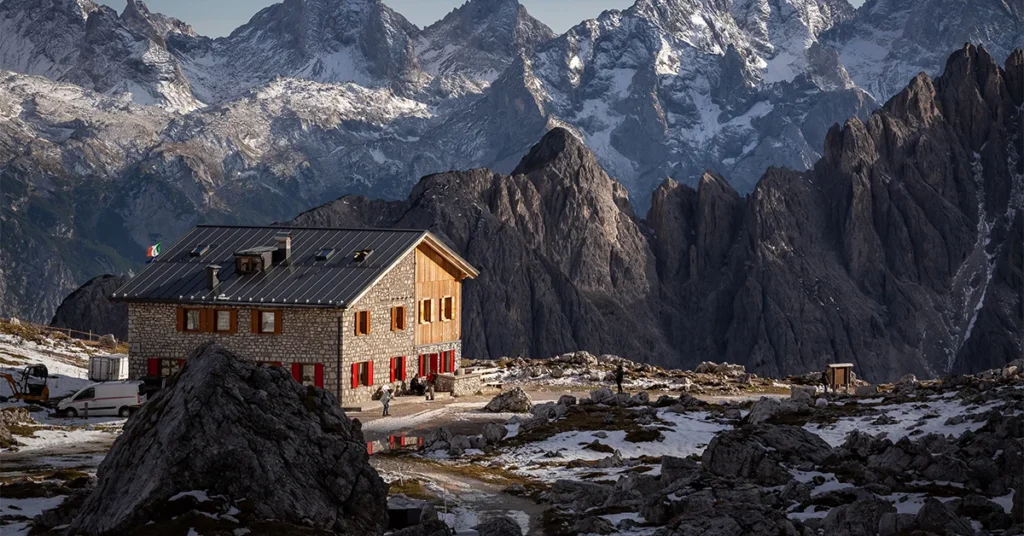
When the world of geology meets mythology, the result is often a fusion of awe and wonder. One such unique blend is the Russet Yggrete Rock—a natural wonder that is steeped in beauty, mystery, and folklore. Known for its striking, reddish hue and its connection to ancient legends, this rock has captured the imaginations of geologists, historians, and enthusiasts alike. Whether you’re a lover of geology, an adventurer in search of new landscapes, or someone fascinated by ancient myths, the Russet Yggrete Rock is a phenomenon that deserves attention.
ALSO READ: Unleashing Deadpool Guns: The Ultimate Weaponry Breakdown
Introduction: A Natural Masterpiece With Mythical Roots
The Russet Yggrete Rock isn’t just a geological formation; it’s a story told through stone. With its distinct russet color—ranging from deep reds to fiery oranges—this rock seems to carry the essence of both earth and myth. Found in select locations around the world, this rock has become synonymous with legends that date back centuries. But beyond the tales, it holds valuable scientific intrigue for geologists and environmentalists alike.
In this blog post, we will explore the many facets of the Russet Yggrete Rock—its geological composition, historical significance, cultural mythology, and how it has become a symbol of beauty and strength. Join us as we dive into this captivating natural wonder that connects the past to the present.
What Is The Russet Yggrete Rock?
The Russet Yggrete Rock is a rare and visually stunning stone characterized by its warm, reddish-brown color. The term “Yggrete” itself is believed to be derived from ancient mythology, with connections to the “Yggdrasil” or World Tree in Norse lore. This tree, which connects all realms of existence, symbolizes the interconnectedness of life, and the rock, in many ways, represents this philosophy through its rich, layered history and symbolism.
Geologically speaking, the Russet Yggrete Rock is primarily composed of a mix of sedimentary layers, often featuring iron oxide minerals that contribute to its vibrant color. Over millions of years, these rocks have been shaped by both natural forces and human hands, giving them a unique texture and aesthetic appeal. The combination of the rock’s geological properties and its connection to myth makes it a fascinating subject for exploration.
Physical Characteristics of Russet Yggrete Rock
- Color: The most distinctive feature of the Russet Yggrete Rock is its deep, reddish hue. This is largely due to the high presence of iron minerals within the rock, which oxidize over time, giving the rock its rust-like appearance.
- Texture: The surface of the rock can vary depending on its age and environmental exposure. Some pieces are smooth, polished by years of wind and water erosion, while others may appear rough and jagged.
- Composition: The rock is primarily made of sedimentary materials like sandstone and shale, with inclusions of quartz and other minerals. These contribute not only to its durability but also to its striking visual appeal.
Where Can You Find Russet Yggrete Rock?
Though the Russet Yggrete Rock is relatively rare, it can be found in several locations across the globe. Some of the most notable sites include:
- Northern Europe: In particular, parts of Scandinavia and the British Isles have long been known for their abundance of Yggrete rocks. Their association with Norse mythology has helped cement the region’s importance in understanding this rock’s cultural and historical significance.
- North America: In the United States, particularly in the southwestern states such as Arizona and New Mexico, you can find examples of rocks that resemble the Russet Yggrete, though their exact composition may vary slightly.
- Asia: Some reports suggest that areas in Central Asia, particularly in regions influenced by ancient trade routes, also contain variations of the Russet Yggrete Rock.
The Mythological Significance Of Russet Yggrete Rock
The name Yggrete may seem peculiar, but it carries deep mythological weight. In Norse mythology, the “Yggdrasil” is the World Tree that connects the nine realms. It is said that the tree’s roots penetrate the underworld, its trunk stretches across the heavens, and its branches touch the mortal world. This symbolic representation of life’s interconnectedness echoes in the history of the Russet Yggrete Rock.
Many cultures that encounter this rock have assigned it symbolic meanings, often related to strength, endurance, and the cycle of life. It is believed that the rock’s rich, reddish hues symbolize the blood of the earth, a life force that flows beneath the surface, unseen but vital. Its permanence and stability have made it a symbol of endurance, often associated with gods or mythological figures who represent both creation and destruction.
The Role of Yggrete Rock in Norse Mythology
According to some ancient texts, the Yggrete Rock was considered sacred to the gods. It was believed that the rock possessed mystical properties, including the ability to protect warriors or travelers embarking on dangerous quests. Some stories even suggest that the rock held the power to heal the wounded, acting as a conduit between the realms of life and death.
- Symbol of Protection: In Norse folklore, certain warriors would carry small pieces of Yggrete Rock as talismans, believing they would be protected from harm. It was thought that these stones could deflect curses or magical spells.
- The Binding of Fate: Just as the Yggdrasil tree is said to hold the threads of fate, the Russet Yggrete Rock was often seen as a physical manifestation of life’s cyclical nature. Its enduring presence through the ages was thought to remind people of the unbreakable ties between life and death.
The Geological Story Behind Russet Yggrete Rock
While its mythological significance is fascinating, the geological story of the Russet Yggrete Rock is equally compelling. Like many rocks, the history of the Yggrete is one of slow transformation and relentless forces of nature.
How is Russet Yggrete Rock Formed?
The formation of this rock type begins with the accumulation of sediments—sand, mud, and minerals—deposited over millions of years by water, wind, and other natural processes. The presence of iron-rich minerals like hematite and goethite within the sediment layers gives the rock its characteristic reddish-brown coloration.
Over time, these sediments are compacted and cemented together to form layers of stone. The environmental conditions, including temperature, pressure, and the availability of water, all contribute to how the final product looks. As these forces work together, the once loose particles of sediment become a hardened mass, often giving the rock a distinctive banded appearance.
The Role of Erosion in Shaping Yggrete Rock
One of the most fascinating aspects of the Russet Yggrete Rock is how erosion has shaped its appearance over time. Wind, water, and ice have all played a role in smoothing the surface of the rock, creating stunning, polished surfaces in some cases, while leaving jagged edges in others. The colors of the rock can change depending on its exposure to elements such as sunlight and moisture, making it a dynamic and ever-changing natural artifact.
How Russet Yggrete Rock Is Used Today
While the Russet Yggrete Rock may have once been primarily of interest to geologists and mythologists, it has also found its way into modern culture and industry.
Aesthetic and Decorative Uses
The beautiful, warm tones of the Russet Yggrete Rock make it a sought-after material for use in interior design and landscaping. Its striking colors, combined with its durability, make it ideal for use in sculptures, tiles, and other decorative items. In many cultures, these rocks are used in ritualistic settings, as they are believed to hold spiritual significance.
Environmental Significance
Given its historical significance and the ecological role it plays in various regions, the Russet Yggrete Rock has become a subject of environmental conservation. Protecting these natural sites ensures that future generations will be able to appreciate both the beauty and the historical importance of these formations.
Conclusion
The Russet Yggrete Rock is much more than just a striking geological formation. It is a testament to the enduring beauty of the earth, a connection to ancient myths, and a symbol of strength and resilience. Whether you are drawn to its rich colors or its deep ties to mythology, the Yggrete Rock offers something for everyone—a tangible piece of the earth that tells stories both ancient and timeless.
Next time you come across a Russet Yggrete Rock, remember that it isn’t just a stone—it’s a link to a rich history that spans both the natural world and the realms of legend. Its unique combination of geology and mythology serves as a reminder that the world is full of wonders waiting to be explored.
FAQs
What is the Russet Yggrete Rock?
The Russet Yggrete Rock is a rare and visually striking geological formation known for its reddish-brown color. It is primarily composed of sedimentary layers with iron oxide minerals, which give it its characteristic rust-like appearance. It is also deeply connected to ancient myths, particularly those of Norse origin.
Where can you find Russet Yggrete Rock?
This rock can be found in several parts of the world, including Northern Europe (especially Scandinavia), parts of North America (like Arizona and New Mexico), and certain areas of Central Asia.
What is the significance of the name Yggrete?
The name Yggrete is derived from Yggdrasil, the World Tree in Norse mythology. The rock is often seen as a symbol of life’s interconnectedness, strength, and endurance, much like the tree itself.
How does the Russet Yggrete Rock form?
The rock forms over millions of years through the deposition and compaction of sediments such as sand, mud, and minerals, with iron-rich minerals contributing to its reddish hue. Erosion over time further shapes the rock’s appearance.
Can Russet Yggrete Rock be used for anything today?
Yes, the Russet Yggrete Rock is used in various ways, from decorative and architectural purposes to its role in landscaping and spiritual rituals due to its symbolic significance.