How To Clean Retainers play an essential role in maintaining the results of orthodontic treatment. After spending months or even years wearing braces or aligners, a retainer helps keep your teeth in their new, correct position. However, many people overlook one critical part of retainer care—proper cleaning. If retainers are not cleaned correctly, they can accumulate bacteria, plaque, and unpleasant odors. On the other hand, using the wrong cleaning method can easily damage them.
Learning how to clean retainers without damaging them is important for both your oral health and the lifespan of your retainer. Whether you wear a plastic retainer, Hawley retainer, or clear retainer, using safe and effective cleaning methods will help keep it hygienic, odor-free, and long-lasting.
you’ll discover the safest How To Clean Retainers, common mistakes to avoid, and expert tips that will help keep your retainer in excellent condition for years.
ALSO READ: Best ATK Shelly Pics Full HD For Crystal-Clear Viewing
Why Cleaning Your Retainer Is Important
Your retainer spends many hours inside your mouth, where bacteria naturally live. Saliva, plaque, and food particles can easily stick to the retainer’s surface. Without proper cleaning, this buildup can lead to several problems.
First, bacteria and plaque can cause unpleasant smells and a bad taste. If you’ve ever removed your retainer and noticed a strong odor, it’s likely due to bacterial buildup.
Second, a dirty retainer can contribute to oral health issues such as cavities, gum irritation, and bad breath. Since the retainer touches your teeth and gums constantly, keeping it clean helps maintain overall oral hygiene.
Lastly, cleaning your retainer properly helps extend its lifespan. Many How To Clean Retainers are delicate and can warp or crack if cleaned incorrectly. That’s why understanding how to clean retainers without damaging them is essential.
Types Of Retainers And Their Cleaning Needs
Not all How To Clean Retainers are the same, and their cleaning methods may vary slightly depending on the material.
Hawley Retainers
Hawley How To Clean Retainers are made of a combination of acrylic and metal wire. These are durable but still require gentle cleaning. Harsh chemicals or hot water can damage the acrylic base or distort the wire.
Clear Plastic Retainers
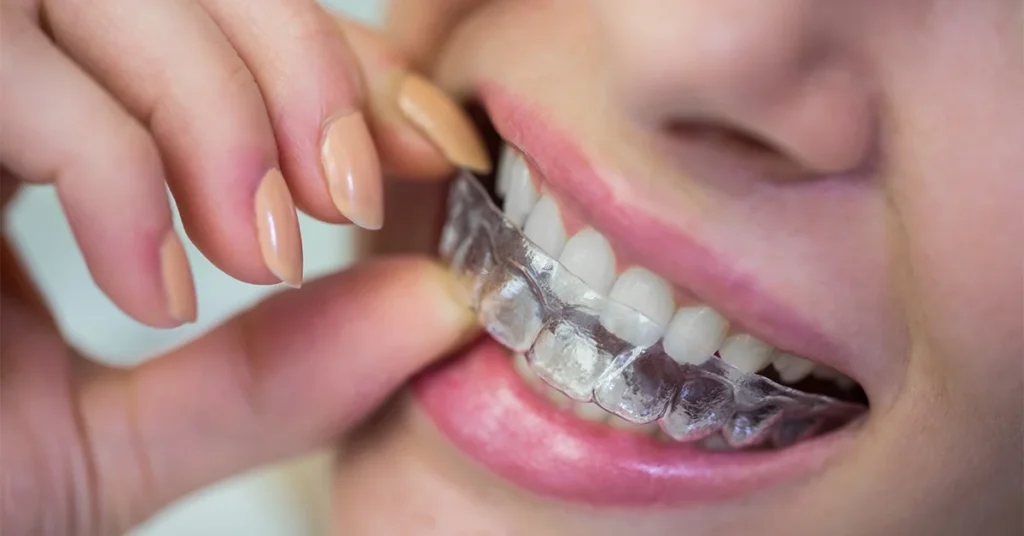
How To Clean Retainers, often similar to aligners, are made from transparent plastic. They are popular because they are nearly invisible, but they are also more prone to scratches, discoloration, and warping if cleaned improperly.
Permanent Retainers
Permanent How To Clean Retainers are thin wires bonded to the back of your teeth. While they cannot be removed, they still require careful cleaning using floss and proper brushing techniques.
Understanding the type of retainer you have helps determine the safest cleaning approach.
Daily Cleaning Routine For Retainers
One of the best ways to protect your retainer is by maintaining a simple daily cleaning routine.
Rinse Immediately After Removal
Each time you remove your retainer, rinse it with lukewarm water. This helps wash away saliva and loose debris before they dry and stick to the surface.
Avoid using hot water, as it can warp plastic How To Clean Retainers and affect their fit.
Use a Soft Toothbrush
A soft toothbrush works well for gently removing plaque from your retainer. Brush it carefully with light pressure to avoid scratching the surface.
Make sure the toothbrush is clean and used specifically for the retainer rather than your teeth.
Use Mild Soap Instead of Toothpaste
Many people use toothpaste to clean their How To Clean Retainers, but toothpaste can be abrasive. These tiny abrasive particles may scratch the retainer, making it easier for bacteria to stick.
Instead, use a small amount of mild, fragrance-free soap with water when brushing your retainer.
Deep Cleaning Your Retainer Safely
While daily cleaning helps prevent buildup, occasional deep cleaning ensures your retainer stays completely fresh.
Baking Soda Solution
Baking soda is a gentle and natural cleaner that helps remove odor and bacteria.
To use this method:
Mix one teaspoon of baking soda with a cup of lukewarm water.
Soak your retainer for about 15 to 20 minutes.
Gently brush it afterward and rinse thoroughly.
This method helps eliminate odor while being safe for most retainer materials.
White Vinegar Soak
White vinegar can help dissolve mineral deposits and bacteria buildup.
To clean with vinegar:
Mix equal parts white vinegar and lukewarm water.
Soak the retainer for 15 minutes.
Rinse thoroughly with clean water and brush gently.
Make sure to rinse well to remove the vinegar taste.
Retainer Cleaning Tablets
Special cleaning tablets designed for orthodontic appliances can also be used occasionally. These tablets dissolve in water and help disinfect retainers safely.
However, they should be used according to instructions and not as a substitute for daily cleaning.
What Not To Use When Cleaning Retainers
Knowing how to clean retainers without damaging them also means understanding what cleaning methods to avoid.
Avoid Hot Water
Hot water can easily warp plastic How To Clean Retainers, causing them to lose their shape. Even slightly warm water can cause damage if the temperature is too high.
Always use cool or lukewarm water when cleaning.
Avoid Harsh Chemicals
Bleach, alcohol, and strong disinfectants should never be used on How To Clean Retainers. These chemicals can damage the material and may leave harmful residues.
Avoid Toothpaste With Abrasives
As mentioned earlier, toothpaste can scratch How To Clean Retainers. Scratches create tiny spaces where bacteria can accumulate.
Avoid Dishwashers
Some people attempt to clean retainers in the dishwasher, but this is extremely risky. The heat and pressure can quickly deform plastic retainers.
How Often Should You Clean Your Retainer?
Ideally, retainers should be cleaned every day. Daily cleaning prevents plaque buildup and keeps your retainer fresh.
A simple routine can include:
- Rinsing the retainer every time you remove it
- Light brushing once or twice daily
- Deep cleaning once or twice per week
This routine ensures proper hygiene while protecting the retainer from damage.
Tips To Keep Your Retainer Fresh And Odor-Free
In addition to regular cleaning, a few habits can help maintain your retainer.
Always Store It in a Case
When not wearing your retainer, store it in a proper protective case. Leaving it exposed allows bacteria and dust to settle on it.
Avoid Eating With Your Retainer
Eating while wearing a retainer can trap food particles, leading to plaque buildup and stains.
Brush Your Teeth Before Wearing It
Putting a retainer on unclean teeth transfers bacteria and plaque directly onto the retainer.
Clean the Storage Case
The retainer case itself can collect bacteria over time. Wash it regularly with mild soap and water.
Signs Your Retainer Needs Better Cleaning
Sometimes it’s easy to forget cleaning routines, but certain signs indicate your retainer needs attention.
These include:
- Persistent bad smell
- White or cloudy buildup
- Yellow discoloration
- Bad taste when wearing it
If you notice any of these signs, it’s time to thoroughly clean your retainer.
When To Replace Your Retainer
Even with perfect care, retainers don’t last forever. Over time, they can wear down or lose their shape.
Common signs you may need a replacement include:
- Cracks or damage
- Loose fit
- Persistent odor that doesn’t go away
- Warped plastic
If you notice these issues, it’s best to consult your orthodontist for a replacement.
Long-Term Retainer Care Habits
Maintaining a retainer doesn’t require complicated routines, but consistency is important.
Building simple habits such as daily cleaning, proper storage, and avoiding harmful cleaning products can significantly extend the life of your retainer.
Most importantly, learning how to clean retainers without damaging them helps protect your orthodontic investment and ensures your smile stays perfectly aligned.
Conclusion
Retainers are a crucial part of maintaining straight teeth after orthodontic treatment. While they may seem simple, they require proper care to remain effective and hygienic. Cleaning them incorrectly can lead to damage, discoloration, and bacterial buildup.
By understanding how to clean retainers without damaging them, you can safely remove plaque, eliminate odors, and protect the structure of your retainer. Simple habits such as rinsing with lukewarm water, using a soft toothbrush, and occasionally soaking in gentle cleaning solutions can keep your retainer fresh and functional.
Consistent care not only improves oral hygiene but also helps your retainer last longer. With the right cleaning routine, your retainer will continue supporting your healthy, confident smile for years to come.
FAQs
What is the safest way to clean retainers?
The safest way to clean retainers is by rinsing them with lukewarm water and gently brushing them with a soft toothbrush and mild soap. This method removes plaque and bacteria without scratching or damaging the retainer.
Can I use toothpaste to clean my retainer?
It is generally not recommended to use toothpaste because it contains abrasive particles that can scratch the retainer surface. These scratches may allow bacteria to accumulate more easily.
How often should retainers be cleaned?
Retainers should be cleaned daily. Rinse them every time you remove them and brush them gently once or twice a day. Deep cleaning once or twice a week can help maintain freshness.
Why does my retainer smell bad?
A retainer may develop a bad smell due to bacteria, plaque, and saliva buildup. Regular cleaning and occasional soaking in safe cleaning solutions can eliminate odors.
Can hot water damage a retainer?
Yes, hot water can warp plastic retainers and change their shape. This can cause them to fit improperly, so it’s always best to clean retainers using cool or lukewarm water.
ALSO READ: Why LPS 163 Is Getting So Much Attention