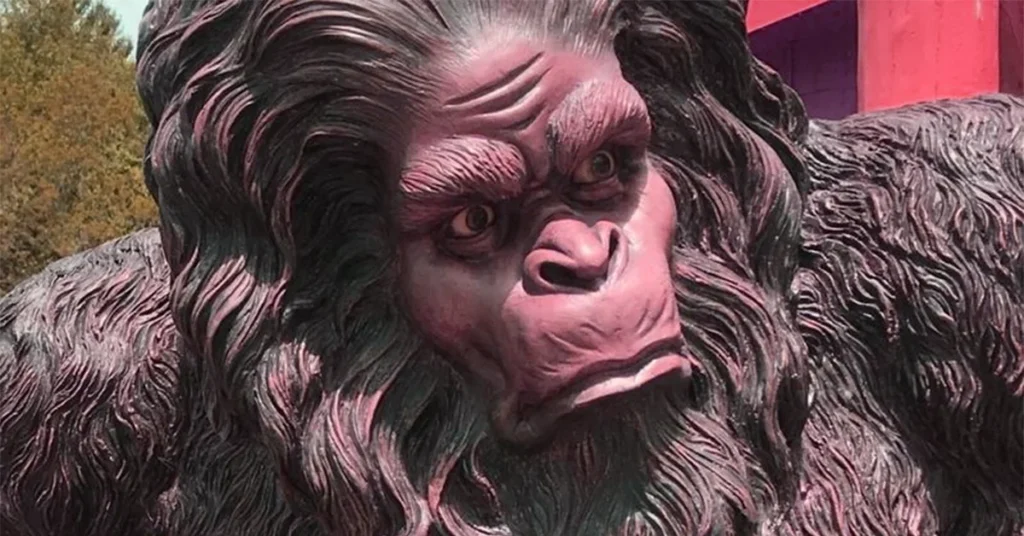
Ever stepped into a backyard and felt like you were being watched — only to realize it’s a 6-foot tall, shaggy Bigfoot statue grinning at you from behind the hydrangeas? You’re not alone. The Bigfoot statue has stomped its way from campfire myth to suburban lawns, patios, and gardens across the country. Is it a nod to the legendary cryptid, a quirky piece of garden art, or both?
For some homeowners, a Bigfoot statue is a conversation starter. For others, it’s a statement piece that brings a little wilderness and humor to their outdoor space. But beyond the laughs and double-takes, there’s a surprising amount to consider before you bring Sasquatch home. From sizing and materials to placement, maintenance, and even neighborhood reactions, this guide covers everything you need to know about the Bigfoot statue trend.
Whether you’re a cryptid enthusiast, a landscape design lover, or just someone who wants to make the HOA meetings more interesting, let’s figure out if a Bigfoot statue belongs in your backyard.
ALSO READ: Scorpio Dreams In Watercolor: Emotions Too Deep For Daylight
Why The Bigfoot Statue Is Having A Moment
From Forest Folklore to Front Yards
Bigfoot, also called Sasquatch, has been part of North American folklore for centuries. Native American legends describe a large, hairy, human-like creature roaming the Pacific Northwest. The modern Bigfoot craze kicked off in 1958 with giant footprints found in California, and the famous 1967 Patterson-Gimlin film sealed the legend.
Fast forward to today, and Bigfoot isn’t just hiding in blurry videos. He’s sold at garden centers, popping up on porches, and trending on social media. A Bigfoot statue turns that mystery into something tangible, playful, and a little rebellious. It says, “I don’t take my landscaping too seriously.”
The Rise of Quirky Garden Art
Garden design has shifted. For years, the go-to was classic gnomes, birdbaths, and stone cherubs. Now, homeowners want personality. Think flamingos with attitude, alien statues, and yes, Bigfoot. Quirky garden art reflects the homeowner’s humor and interests. A Bigfoot statue fits right in with the “cottagecore meets cryptid” vibe that’s huge on Instagram and TikTok.
Plus, after years of minimalist everything, people are craving fun. A Bigfoot statue is the opposite of boring — and that’s the point.
Choosing The Right Bigfoot Statue For Your Space
Not all Sasquatch statues are created equal. The right one depends on your space, budget, and how committed you are to the bit.
Size: Go Big or Stay Subtle?
Bigfoot statues range from 12-inch tabletop figures to life-size 8-foot giants. Here’s how to decide:
- Small (12-24 inches): Great for patios, balconies, or garden beds. Easy to move, less intimidating for neighbors, and budget-friendly. Perfect if you want a hint of legend without dominating the yard.
- Medium (3-5 feet): The sweet spot for most backyards. Visible from the street, enough presence to start conversations, but still manageable to install.
- Life-Size (6-8 feet): This is full commitment. A life-size Bigfoot statue turns your yard into a destination. You’ll need help moving it, and it works best in large yards or wooded lots where it feels natural.
Pro tip: Use a cardboard cutout or mark the height with a stake before buying. A 7-foot statue feels way bigger once it’s next to your mailbox.
Materials: What Your Sasquatch Is Made Of Matters
Your Bigfoot statue will live outside, so durability is key.
| Material | Pros | Cons | Best For |
|---|---|---|---|
| Resin | Lightweight, detailed, affordable, weather-resistant | Can fade or crack in extreme cold | Most homeowners, covered patios |
| Metal (Steel/Iron) | Ultra-durable, rustic look, heavy so it won’t blow over | Can rust, very heavy to move, pricier | Windy areas, permanent placement |
| Wood | Natural, hand-carved look, blends with landscape | Needs sealing, can rot or split | Wooded lots, rustic gardens |
| Concrete | Solid, classic garden statue feel, lasts decades | Extremely heavy, expensive shipping | Permanent installations, large yards |
If you live in Abbottabad or other areas with hot summers and cold winters, go for UV-resistant resin or powder-coated metal. Concrete is king for longevity but bring friends for moving day.
Style: Friendly, Fierce, or Funny?
Bigfoot statues come in surprising variety:
- Classic Walker: Mid-stride, arms swinging — the Patterson film pose. Great for hiding behind trees.
- Waving Bigfoot: Friendly and welcoming. Perfect near a front porch to greet guests.
- Bigfoot with Accessories: Holding a lantern, fishing pole, or even a garden gnome. These add humor and story.
- Silhouette Cutouts: Flat metal designs that create a shadowy effect at dusk. Subtle and artistic.
- Cartoonish Bigfoot: Exaggerated features, big feet, goofy grin. Leans fully into garden art territory.
Pick a style that matches your vibe. Want mystery? Go with a silhouette in the trees. Want laughs? Get one holding a “GO AWAY” sign.
Where To Put Your Bigfoot Statue: Placement Ideas That Work
Placement turns a Bigfoot statue from random decor into backyard storytelling.
The Peekaboo Effect
The most popular spot: partially hidden behind trees, tall shrubs, or a shed. You want guests to do a double-take. This plays into the Bigfoot legend — he’s elusive, after all. Frame him with ferns, pine trees, or ornamental grasses for a “caught on trail cam” look.
The Garden Guardian
Place your Bigfoot statue near a vegetable garden or flower bed. It becomes a quirky scarecrow and protector of your tomatoes. Bonus points if you add a sign: “Bigfoot’s Garden: Trespassers Will Be Snacked On.”
Porch or Patio Personality
A medium Bigfoot statue on a covered porch makes a great greeter. Pair with Adirondack chairs and string lights for a Pacific Northwest cabin feel, even if you’re in Khyber Pakhtunkhwa.
Trail Marker
Have a backyard path or wooded area? Line the trail with a small Bigfoot statue. It’s whimsical and gives kids — and adults — something to discover.
Avoid These Spots
Don’t put a life-size Bigfoot right in front of a neighbor’s window unless you know they’ll love it. And skip high-traffic areas where it could get knocked over. HOA rules may also restrict front-yard statues, so check first.
Bigfoot Statue Maintenance: Keeping Sasquatch Looking Sharp
Yes, even legendary cryptids need care.
Clean Seasonally: Dust, pollen, and bird droppings happen. Wash resin and metal statues with mild soap and water. Use a soft brush for detail. Avoid pressure washers — they can strip paint.
UV Protection: Sun fades color. If your statue isn’t UV-resistant, spray it once a year with clear UV-protectant sealant from a hardware store.
Winterize: In freezing climates, bring lightweight resin statues into a garage or shed. Concrete and metal can stay out, but tip them slightly so water doesn’t pool and freeze in crevices.
Anchor It: A 5-foot Bigfoot is a sail in high wind. Use ground stakes, rebar, or a heavy base to keep it upright. You don’t want Sasquatch migrating to your neighbor’s pool.
Touch-Up Paint: Scratches happen. Keep matching outdoor acrylic paint handy for quick fixes.
Bigfoot Statue: Legend Or Just Lawn Decor?
So, is a Bigfoot statue about honoring a backyard legend or just embracing weird garden art? The answer: it’s both, and that’s why it works.
For the Believers
If you love cryptid lore, a Bigfoot statue is a tribute. It’s a way to keep the mystery alive and show off your passion. Many owners say guests share their own Bigfoot stories after spotting the statue. It builds community around the legend.
For the Design Lovers
If you don’t care about folklore, Bigfoot still works as design. It’s unexpected scale, texture, and humor in a space usually filled with predictable decor. Landscape designers are even using Bigfoot statues as focal points in “wild” or “woodland” themed gardens.
The Verdict
The best garden art makes you feel something — curiosity, joy, nostalgia. A Bigfoot statue does all three. It’s not just a decoration; it’s a mood. Backyard legend and garden art aren’t mutually exclusive. Your Sasquatch can be whatever you want him to be.
Buying Tips: Where To Find Your Bigfoot Statue And What To Pay
Local Garden Centers: Best for seeing size and quality in person. Spring and summer have the biggest selection.
Online Specialty Stores: More variety, including hand-carved wood and custom metal designs. Check shipping costs — big statues get pricey to ship.
Artisan Markets & Woodworkers: For one-of-a-kind wooden Bigfoot statues. You support local artists and get a story with your Sasquatch.
Price Range: Small resin: $30-$80. Medium 4-ft resin: $120-$300. Life-size metal or concrete: $400-$1,500+. Hand-carved wood varies widely.
Buyer’s checklist: Read reviews for weather resistance, check return policies, and confirm dimensions. “Life-size” can mean 5’6” or 7’ depending on the maker.
What Will The Neighbors Think?
This is the #1 question people have before buying a Bigfoot statue. The truth? Reactions are usually positive. Kids love it. Delivery drivers take selfies. Most adults find it funny.
If you’re worried, start small or place it in the backyard first. You can also add a plaque with a humorous “Bigfoot Crossing” message to show it’s tongue-in-cheek. And if your HOA has rules, get approval — or keep Sasquatch in the back where he likes it anyway.
Conclusion
A Bigfoot statue walks the line between myth and decor, and that’s exactly its charm. It turns your yard into a story, invites conversation, and brings a bit of wild into everyday life. Whether you choose a subtle 2-foot resin figure tucked among the trees or a towering 7-foot metal giant guarding your patio, you’re adding personality that generic garden gnomes can’t match.
The Bigfoot statue trend isn’t about proving the legend is real. It’s about not taking your outdoor space — or yourself — too seriously. It’s garden art with a wink. So if you’ve got the space, the humor, and a love for the unexpected, maybe it’s time to let Sasquatch squat in your backyard.
Ready to make your neighbors do a double-take? Your Bigfoot statue is waiting.
FAQs
What is a Bigfoot statue?
A Bigfoot statue is a decorative sculpture depicting Sasquatch, the legendary hairy creature from North American folklore. They’re made for gardens, yards, and patios in materials like resin, metal, wood, or concrete, and range from small 1-foot figures to life-size 8-foot displays.
Will a Bigfoot statue fade or break outside?
Quality resin and powder-coated metal statues are made for outdoor use and resist fading, rain, and sun. Concrete lasts decades. To extend life, apply UV sealant yearly and bring lightweight statues indoors during harsh winters.
How much does a Bigfoot statue cost?
Prices depend on size and material. Small tabletop versions start around $30. A 4-foot resin Bigfoot statue typically costs $120-$300. Large 6-8 foot metal or concrete statues run $400-$1,500 or more, especially for hand-carved wood.
Do I need to anchor my Bigfoot statue?
Yes, if it’s over 3 feet tall or in a windy area. Lightweight resin statues can tip or blow over. Use ground stakes, rebar, or a weighted base to secure it. Concrete and heavy metal statues usually don’t need anchoring.
Are Bigfoot statues allowed by HOAs?
It depends on your HOA rules. Many HOAs restrict front-yard statues or non-traditional decor. Check your covenants before placing a Bigfoot statue in the front yard. Backyard placement usually has fewer restrictions.
ALSO READ: Getting Started With Qiowofvuhoz Without The Overwhelm