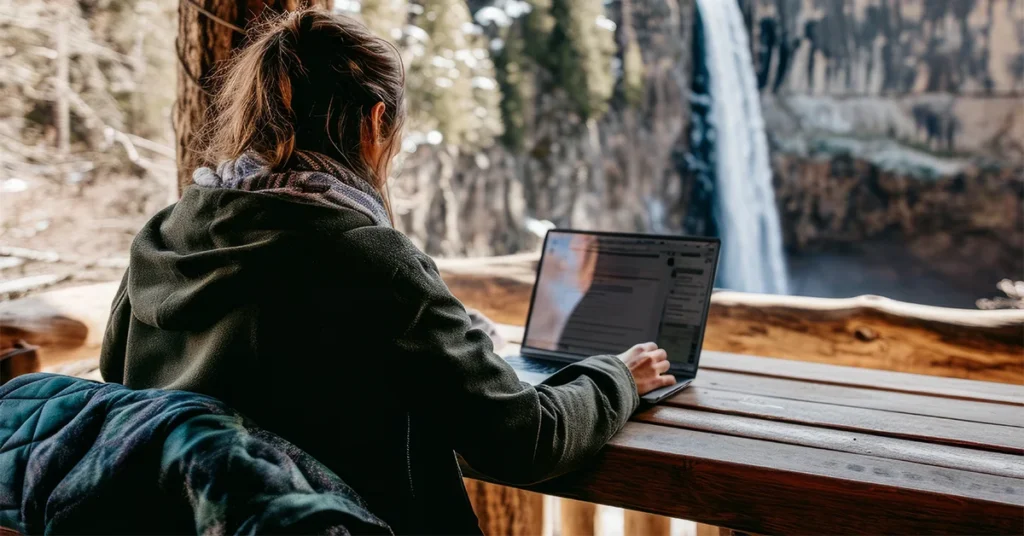
There is something truly magical about stepping into the great outdoors. The sound of rustling leaves, the fresh smell of nature, and the sense of freedom that comes with exploring forests, mountains, rivers, or open landscapes can be incredibly refreshing. For many people, outdoor adventures are more than just a hobby—they are a way to reconnect with nature, relieve stress, and discover the beauty of the world beyond cities and screens.
However, exploring nature comes with responsibility. Whether you are hiking through a forest trail, camping beside a lake, or trekking up a mountain path, your actions can impact the environment, wildlife, and even other explorers. This is where the Outdoor Code becomes essential. The Outdoor Code is a set of simple principles designed to help people enjoy nature while protecting it for future generations.
Mastering the Outdoor Code doesn’t require special training or complicated rules. Instead, it focuses on simple habits and respectful behavior that every explorer can follow. In this guide, we will explore the most important principles of the Outdoor Code and how you can apply them on every outdoor adventure.
ALSO READ: Best Imagesize:2160×3840 Melisandre Wallpapers In 4K Quality
What Is The Outdoor Code?
The Outdoor Code is a set of guidelines that encourages people to explore nature responsibly. It promotes respect for the environment, wildlife, and fellow explorers while ensuring outdoor spaces remain clean and safe.
The purpose of the Outdoor Code is simple: enjoy nature while protecting it.
These rules are helpful for anyone who spends time outdoors, including hikers, campers, backpackers, nature photographers, and adventure enthusiasts. By following these simple principles, explorers can help preserve natural landscapes and maintain the beauty of outdoor environments.
Be Clean In The Outdoors
One of the most important principles of the Outdoor Code is cleanliness. Nature should remain as beautiful as you found it—or even better.
How to Stay Clean Outdoors
- Always pack out your trash.
- Avoid leaving food waste on trails or campsites.
- Use designated waste bins when available.
- Carry reusable containers instead of disposable items.
Even small items like candy wrappers, plastic bottles, or food scraps can harm wildlife and pollute natural areas. Many animals mistake trash for food, which can cause serious health problems.
By keeping outdoor areas clean, you protect both nature and wildlife while ensuring future explorers can enjoy the same pristine environment.
Be Careful With Fire
Fire can be useful during outdoor adventures, especially for warmth and cooking. However, it can also be extremely dangerous if not handled properly.
Wildfires can start from a single spark, and once they spread, they can destroy forests, wildlife habitats, and entire ecosystems.
Fire Safety Tips for Explorers
- Only build fires in designated fire rings or pits.
- Keep fires small and manageable.
- Never leave a fire unattended.
- Fully extinguish fires before leaving the campsite.
- Avoid fires during dry or windy conditions.
A good rule to remember is: if it’s too risky, skip the fire. Many explorers now use portable camping stoves, which are safer and easier to control.
Being responsible with fire helps protect natural landscapes and prevents devastating wildfires.
Be Considerate In The Outdoors
Nature is meant to be shared. When exploring outdoor spaces, it’s important to respect other people who are also enjoying the environment.
Being considerate ensures that everyone has a peaceful and enjoyable experience.
Ways to Be Respectful Outdoors
- Keep noise levels low.
- Yield the trail to hikers moving uphill.
- Step aside for faster hikers or bikers.
- Avoid blocking trails or viewpoints.
- Respect private property and restricted areas.
Many people go outdoors to escape noise and crowds. By being thoughtful and polite, you help maintain the calm and relaxing atmosphere that nature provides.
Be Careful With Plants And Wildlife
Nature is home to countless plants and animals, and outdoor explorers are visitors in their world. Protecting wildlife and natural vegetation is a key part of the Outdoor Code.
Protecting Wildlife
- Observe animals from a safe distance.
- Never feed wild animals.
- Avoid disturbing nests or habitats.
- Keep pets under control.
Feeding wildlife may seem harmless, but it can actually cause animals to depend on humans for food. This disrupts natural behaviors and can lead to dangerous situations.
Protecting Plants
- Stay on marked trails.
- Avoid picking flowers or damaging vegetation.
- Do not carve on trees or rocks.
Plants play an important role in ecosystems, and damaging them can harm the environment in ways that may take years to recover.
Leave What You Find
One of the best ways to protect nature is by leaving things exactly as you found them.
It can be tempting to take home rocks, shells, flowers, or other natural souvenirs. However, when thousands of visitors do this, natural areas can quickly lose their beauty.
Why Leaving Things Matters
- It protects natural ecosystems.
- It preserves historical and cultural artifacts.
- It maintains the natural experience for others.
Instead of collecting physical souvenirs, take photographs or write about your experiences. Memories and pictures last much longer than items taken from nature.
Plan Ahead And Be Prepared
Outdoor adventures are exciting, but they also require preparation. Being prepared ensures your trip is safe and enjoyable while minimizing risks to yourself and the environment.
Essential Outdoor Preparation Tips
- Research the area before visiting.
- Check weather forecasts.
- Carry enough water and food.
- Bring navigation tools like maps or GPS.
- Pack emergency supplies.
Proper planning helps prevent accidents and ensures that rescue teams do not need to intervene unnecessarily.
Prepared explorers are safer, more confident, and better able to enjoy their adventures.
Respect Trails And Campsites
Trails and campsites are designed to protect natural environments while allowing people to explore them safely. Following these paths helps reduce damage to surrounding ecosystems.
Trail Etiquette
- Stay on marked trails.
- Avoid creating new paths.
- Walk through puddles instead of around them.
- Respect trail signs and closures.
When hikers leave the trail, they can damage plants, cause soil erosion, and create confusing paths for future visitors.
Using established campsites also helps limit environmental impact and protects fragile areas.
Protect Water Sources
Rivers, lakes, and streams are vital parts of outdoor ecosystems. They provide drinking water for wildlife and support countless forms of life.
Polluting these water sources can have serious consequences.
How to Protect Natural Water
- Do not wash dishes directly in streams.
- Avoid using soap in natural water sources.
- Dispose of waste far from rivers and lakes.
- Use biodegradable products when necessary.
Clean water is essential for both wildlife and explorers, so protecting it should always be a priority.
Why The Outdoor Code Matters More Than Ever
As outdoor recreation becomes more popular, natural spaces are experiencing increased pressure. More visitors mean more waste, more trail damage, and greater risks to wildlife.
Following the Outdoor Code helps reduce these impacts and ensures that natural environments remain healthy and accessible.
By practicing responsible outdoor behavior, explorers can become guardians of nature rather than just visitors.
Even small actions—like picking up trash or staying on a trail—can make a big difference over time.
Teaching The Outdoor Code To New Explorers
The Outdoor Code is especially important for beginners and young adventurers. Teaching these principles early helps create a generation of responsible explorers who respect nature.
Parents, teachers, outdoor leaders, and experienced hikers can play an important role by demonstrating good outdoor behavior.
When people learn to appreciate and protect nature, they are more likely to become lifelong advocates for conservation.
Conclusion
Exploring the outdoors is one of the most rewarding experiences life can offer. From peaceful forest walks to challenging mountain hikes, nature provides endless opportunities for adventure, discovery, and relaxation.
However, with this privilege comes responsibility. Mastering the Outdoor Code allows every explorer to enjoy nature while protecting it for the future.
By staying clean, respecting wildlife, being considerate of others, and following simple outdoor guidelines, we can all help preserve the beauty of natural spaces.
Remember, the goal of the Outdoor Code is not to limit adventure—it is to ensure that the wilderness remains wild, healthy, and welcoming for generations to come.
Every explorer has the power to make a difference. By following these simple rules, you become part of the effort to protect and celebrate the natural world.
FAQs
What is the Outdoor Code?
The Outdoor Code is a set of simple guidelines that encourage people to explore nature responsibly while protecting the environment, wildlife, and other visitors.
Why is the Outdoor Code important?
The Outdoor Code helps preserve natural environments, prevents pollution, protects wildlife, and ensures that outdoor spaces remain enjoyable for future explorers.
Who should follow the Outdoor Code?
Anyone who spends time outdoors—such as hikers, campers, backpackers, and nature lovers—should follow the Outdoor Code to minimize environmental impact.
How can beginners practice the Outdoor Code?
Beginners can follow the Outdoor Code by staying on trails, packing out trash, respecting wildlife, using safe fire practices, and being considerate of other visitors.
Does following the Outdoor Code really make a difference?
Yes. When many explorers follow responsible outdoor practices, it significantly reduces environmental damage and helps maintain the beauty and health of natural landscapes.
ALSO READ: Moxdoc Com: A Simple Guide To Smarter Online Healthcare