Innovation isn’t just a buzzword. It’s a process, a culture, and often a physical space where ideas are born, tested, refined, and brought to life. Step inside Building 128, and you’ll quickly realize it’s not just another office or research facility—it’s a living, breathing ecosystem of creativity, collaboration, and forward-thinking design.
In a world where companies race to stay ahead of technological change, spaces like Building 128 are becoming the beating heart of progress. They bring together engineers, designers, researchers, entrepreneurs, and visionaries under one roof. But what exactly makes Building 128 so special? Why do people refer to it as a model for innovation in action?
In this in-depth look, we’ll explore what happens inside Building 128, how its design fuels creativity, the people who power it, and the lessons other organizations can learn from its success.
ALSO READ: Los Bridgerton El Duque Y Yo Analisis: A Romantic Breakdown
The Vision Behind Building 128
Every innovative space starts with a vision. Building 128 was created with a single purpose: to turn ideas into real-world solutions faster and more efficiently than traditional workplaces allow.
Instead of focusing solely on productivity metrics or traditional hierarchies, the creators of Building 128 asked a different question:
What kind of environment helps people think bigger?
The answer wasn’t just about adding fancy furniture or high-tech gadgets. It was about building a culture-first environment where:
- Collaboration happens naturally
- Failure is treated as feedback
- Curiosity is encouraged
- Cross-disciplinary teamwork is the norm
Building 128 was designed to break down silos. It’s a place where software engineers sit next to product designers, and where research teams can instantly collaborate with marketing strategists. That level of proximity accelerates problem-solving in powerful ways.
Architecture That Fuels Creativity

You can feel the difference the moment you walk into Building 128.
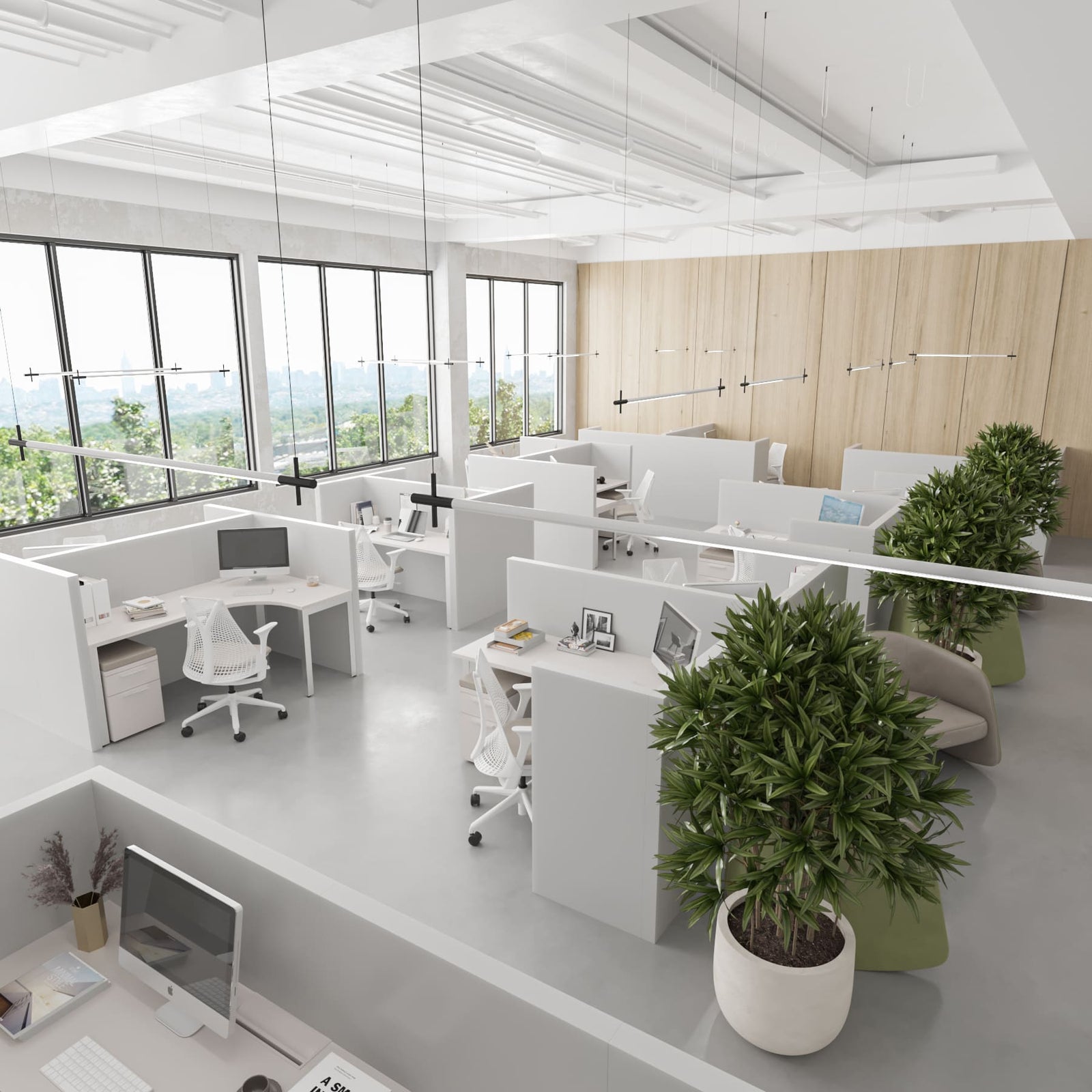
The architecture itself is a silent collaborator. Instead of closed cubicles and rigid layouts, the building features:
- Open collaboration zones
- Glass-walled meeting rooms
- Flexible workstations
- Rapid prototyping labs
- Quiet thinking areas
Natural light floods the space. Movable walls allow teams to reshape rooms based on their needs. Writable surfaces cover entire walls, turning ideas into visible conversations.
Why Physical Space Matters
Research consistently shows that physical environments influence behavior. In Building 128:
- Open spaces encourage spontaneous discussions
- Transparent rooms promote accountability and trust
- Dedicated maker labs reduce the gap between idea and prototype
Innovation isn’t just about brainstorming. It’s about execution. Building 128 supports both.
The People Inside Building 128
A building alone doesn’t innovate. People do.
Inside Building 128, you’ll find a mix of:
- Engineers and developers
- UX and UI designers
- Product managers
- Data scientists
- Hardware specialists
- Entrepreneurs-in-residence
What makes this group unique isn’t just their talent—it’s their mindset.
A Culture of Experimentation
One defining trait of Building 128 is psychological safety. Team members are encouraged to test bold ideas without fear of blame if things don’t work out.
Here, “failure” isn’t the end of a project. It’s data.
Weekly demo sessions allow teams to showcase progress, no matter how small. Feedback is immediate and constructive. That constant loop of iteration keeps projects moving forward.
Cross-Functional Collaboration
Instead of departments working independently, Building 128 promotes integrated teams.
For example:
- Designers attend engineering stand-ups
- Engineers join customer research interviews
- Marketing teams participate in early prototype testing
This alignment reduces miscommunication and ensures that products are both technically sound and user-focused.
Inside The Innovation Process
4
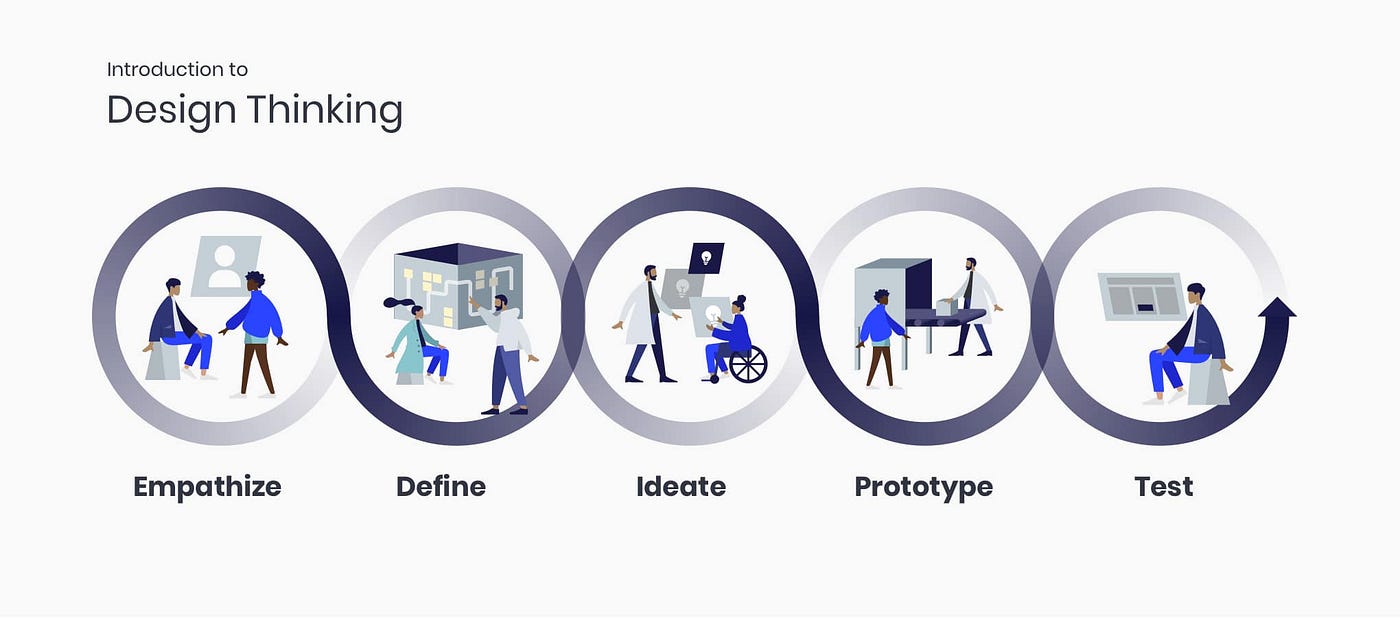
Innovation inside Building 128 follows a clear but flexible framework.
Discovery
Every project starts with a problem—not a solution.
Teams conduct:
- User research
- Market analysis
- Competitive mapping
- Data modeling
They ask, What pain point are we solving? before writing a single line of code.
Ideation
Whiteboards fill quickly. Sticky notes multiply. Ideas are debated openly.
The key rule? No idea is dismissed too early.
Brainstorming sessions are energetic, structured, and time-boxed. Creativity is encouraged, but clarity is required.
Rapid Prototyping
This is where Building 128 truly shines.
With in-house labs and testing equipment, teams can build working prototypes within days—sometimes hours.
Instead of waiting months for development cycles, ideas are transformed into tangible models quickly. That speed gives Building 128 a competitive edge.
Testing & Iteration
Prototypes are tested with real users whenever possible.
Feedback is gathered through:
- Usability testing
- A/B experiments
- Performance analytics
- Stakeholder reviews
Iteration happens fast. Improvements are continuous.
Technology Powering Building 128
Innovation requires tools that match ambition.
Inside Building 128, teams use:
- Advanced data analytics platforms
- AI-driven modeling tools
- 3D printing systems
- Cloud-based collaboration software
- Secure development environments
These tools aren’t just impressive—they’re integrated into daily workflows. Technology removes friction instead of creating complexity.
Automation handles repetitive tasks. Dashboards provide real-time insights. Communication tools connect hybrid and in-person teams seamlessly.
Leadership That Supports Innovation
One of the most overlooked aspects of innovative environments is leadership style.
In Building 128, leaders don’t micromanage. They mentor.
They focus on:
- Setting clear strategic goals
- Removing obstacles
- Encouraging autonomy
- Protecting creative time
Decision-making authority is often pushed down to teams. That trust empowers individuals to take ownership of their work.
Leaders also model curiosity. They ask questions more often than they give answers. That subtle shift makes a huge difference.
Lessons Other Organizations Can Learn
You don’t need a building labeled “128” to create innovation in action.
Here are practical takeaways any organization can apply:
Design for Collaboration
Even small layout changes can increase interaction. Remove barriers. Create shared spaces. Encourage movement.
Shorten Feedback Loops
Don’t wait months to test ideas. Even rough prototypes can provide valuable insights.
Encourage Cross-Disciplinary Work
Break down departmental silos. Mix skill sets intentionally.
Normalize Experimentation
Create safe environments where teams can take calculated risks.
Invest in Tools That Remove Friction
Technology should make work easier, not more complicated.
Building 128 demonstrates that innovation is not accidental. It’s engineered through culture, structure, and design.
Real-World Impact Of Building 128
The results speak for themselves.
Projects developed within Building 128 have:
- Reduced development cycles
- Increased product adoption rates
- Improved customer satisfaction
- Generated scalable business models
But beyond metrics, the deeper impact lies in mindset transformation.
Employees leave Building 128 thinking differently. They become more adaptable, more collaborative, and more user-focused.
That cultural ripple effect extends far beyond the walls of the building.
The Human Side Of Innovation
It’s easy to focus on technology and forget the human element.
Inside Building 128, wellness and balance are considered part of innovation.
You’ll find:
- Relaxation lounges
- Flexible working hours
- Community events
- Learning workshops
Burnout kills creativity. Sustainable productivity fuels it.
By prioritizing employee well-being, Building 128 ensures long-term innovation rather than short bursts of progress.
Why Building 128 Represents The Future Of Work
The modern workplace is evolving rapidly. Remote work, digital transformation, and AI integration are reshaping how teams operate.
Building 128 represents a hybrid model of the future:
- Flexible but structured
- Technologically advanced but human-centered
- Fast-moving but thoughtful
It’s not just about building products. It’s about building systems that support innovation continuously.
As more organizations recognize that creativity requires intentional design, spaces like Building 128 will become more common.
Conclusion
Inside Building 128, innovation isn’t discussed—it’s practiced.
From architecture and leadership to tools and culture, every detail is designed to support creative problem-solving. It’s proof that when environment, mindset, and technology align, extraordinary results follow.
Whether you’re leading a startup, managing a corporate team, or building your own innovation lab, the lessons from Building 128 are clear:
- Create space for collaboration
- Encourage experimentation
- Move fast, learn faster
- Keep people at the center
Innovation doesn’t happen by accident. It happens by design.
Building 128 shows us exactly how that design can look.
FAQs
What is Building 128?
Building 128 is an innovation-focused workspace designed to foster collaboration, rapid prototyping, and cross-disciplinary teamwork to accelerate the development of new ideas and solutions.
Why is Building 128 considered innovative?
It combines flexible architecture, advanced technology, collaborative culture, and leadership support to create an environment where ideas can be quickly tested and improved.
How does Building 128 support rapid prototyping?
The building includes in-house labs, maker spaces, and advanced tools that allow teams to quickly transform ideas into working prototypes for testing and iteration.
Can small businesses apply lessons from Building 128?
Yes. Even without a large facility, businesses can adopt its principles by encouraging collaboration, shortening feedback cycles, and promoting experimentation.
What makes the culture inside Building 128 unique?
The culture emphasizes psychological safety, cross-functional collaboration, and continuous learning, ensuring innovation becomes a consistent process rather than a one-time effort.
ALSO READ: Varatril: What It Is And Why People Are Talking About It