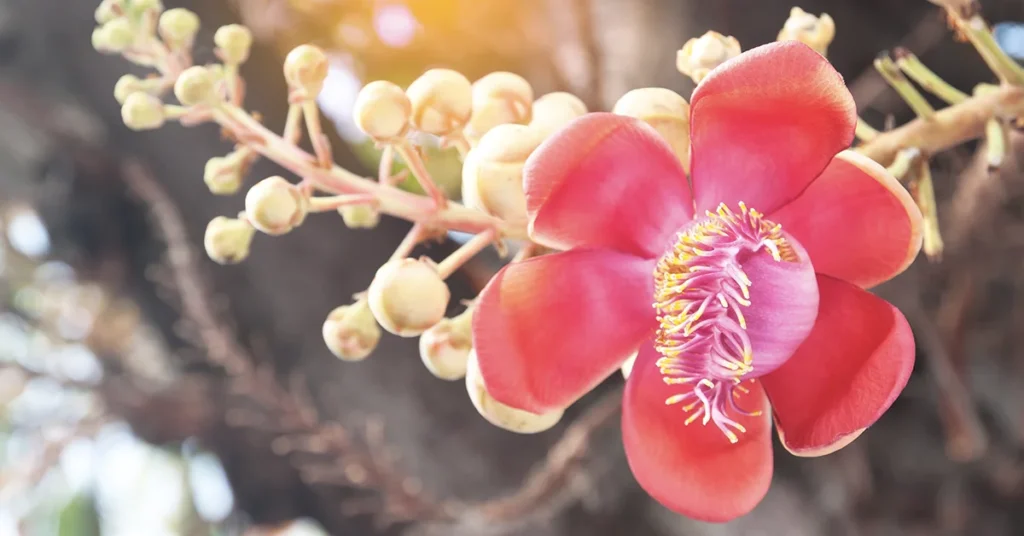
As the scorching heat of summer fades and the cool, crisp air of autumn sets in, there’s a distinct and comforting fragrance that begins to fill the air. It’s the scent of Kinmokusei a beloved flower that marks the arrival of fall in Japan and other parts of East Asia. This fragrant bloom, with its delicate orange blossoms, has become synonymous with autumn for many, invoking feelings of nostalgia, warmth, and the changing of seasons.
But what is and why is it so special? In this blog post, we’ll explore the history, significance, and unique qualities as well as its impact on Japanese culture and its role in autumn traditions. So, grab a warm drink and let’s dive into the world of this sweet-scented wonder.
ALSO READ: Celebrating Mardi Gras In India: A Colorful Fusion Of Cultures
What Is Kinmokusei?
Kinmokusei, or Osmanthus fragrans, is a species of flowering plant in the olive family (Oleaceae). It’s native to China but has become a popular ornamental plant in Japan, Taiwan, and other parts of East Asia. The name translates roughly to “golden osmanthus” in Japanese, referencing the bright orange or yellow flowers that bloom in autumn. The flowers of this plant are tiny, but their scent is incredibly intense and sweet, often likened to apricots, peaches, or honey.
The plant typically blooms in late September to October, signaling the start of the autumn season. While the flowers themselves may be small and easy to overlook, their fragrance is impossible to miss. The scent is so potent that it can linger in the air for days, creating an almost magical atmosphere that is strongly associated with the transition from summer to fall.
The Significance Of Kinmokusei In Japanese Culture
In Japan, the appearance of Kinmokusei is more than just a botanical event—it’s a cultural symbol that marks the change of seasons. The sweet fragrance of the flowers fills the air just as the sweltering heat of summer gives way to the cooler, more comfortable autumn temperatures. For many, the scent is tied to memories of their childhood, family gatherings, and the sense of nostalgia that autumn often brings.
The timing of Kinmokusei’s bloom is perfect for celebrating the Japanese tradition of Tsukimi (moon viewing). As the moon rises high in the autumn sky, families and friends gather to admire its beauty. The air is filled with the smell adding an ethereal touch to the serene and peaceful atmosphere of the evening.
In literature, art, and even music, Kinmokusei has become a metaphor for fleeting beauty and the impermanence of life, a common theme in Japanese aesthetics. The flowers bloom for only a short period—often just a week or two—making their appearance all the more precious.
Kinmokusei And Its Fragrance: A Sensory Experience
One of the defining features of Kinmokusei is its distinctive fragrance. The scent is sweet, floral, and fruity, often described as a mix of apricot, peach, and honey with a hint of spice. It’s incredibly potent, and even though the flowers are small and delicate, their fragrance is unmistakable and can be detected from a distance.
The scent of Kinmokusei has been known to evoke a range of emotions, from relaxation to euphoria. Many people describe the fragrance as comforting, soothing, and uplifting. The aroma is often compared to the feeling of nostalgia, as it stirs memories of autumns gone by or even memories tied to specific people or places.
Interestingly scent has a way of lingering in the air, almost like a natural perfume. It’s so strong that it can fill entire streets and parks during the peak bloom season. People often go out of their way to find trees during this time, simply to enjoy the fragrance, whether it’s in a public garden or near a temple or shrine.
The Health Benefits Of Kinmokusei
Beyond its aesthetic appeal, Kinmokusei is also appreciated for its potential health benefits. In traditional Chinese medicine, osmanthus flowers have been used to treat a variety of ailments. The flowers are believed to have anti-inflammatory properties and are sometimes used to make herbal teas that can aid in digestion and promote relaxation.
In Japan, the flowers are occasionally used in desserts and beverages. Osmanthus-scented tea is a popular seasonal drink, and some specialty sweets, such as osmanthus-flavored mochi or jellies, can be found in markets during autumn. The soothing and aromatic qualities of the flower are said to help calm the mind and reduce stress, making it a natural remedy for those looking to unwind during the busy fall season.
Where To See Kinmokusei In Bloom
If you’re lucky enough to be in Japan during the autumn season, you’ll find blooming in many public gardens, parks, and even along streets in both urban and rural areas. Some temples and shrines are also famous for their trees, creating a tranquil environment for visitors to enjoy the flowers and their fragrance.
In addition to Japan, Kinmokusei can also be found in other parts of East Asia, including Taiwan, South Korea, and China. The plant thrives in regions with mild winters and warm summers, making it a staple in gardens throughout these areas.
If you’re traveling during the peak bloom season, it’s best to visit early in the morning or late in the afternoon, as the fragrance tends to be the strongest during these times. Keep an eye out for the bright orange blossoms, as they often appear against a backdrop of green leaves, making them stand out even more.
Growing Kinmokusei: A Guide For Gardeners
For those who want to bring the beauty of Kinmokusei to their own gardens, growing this fragrant plant can be a rewarding experience. thrives in warm, temperate climates and is relatively easy to care for once established. Here’s a brief guide for gardeners looking to grow their own Kinmokusei tree:
Choosing the Right Location
Kinmokusei prefers well-drained soil and full to partial sunlight. It’s best to plant it in a spot that receives at least 4–6 hours of sunlight each day, although it can tolerate some shade. The tree can grow up to 10 feet tall, so make sure to plant it in an area where it has enough room to spread out.
Watering and Soil
The plant doesn’t require frequent watering, but it should be watered deeply during dry periods. Kinmokusei prefers slightly acidic to neutral soil, so if your soil is too alkaline, you may need to amend it with compost or other organic materials.
Pruning
While Kinmokusei doesn’t require heavy pruning, it’s a good idea to remove any dead or damaged branches in the early spring. This will help maintain the health of the tree and ensure it blooms beautifully in the fall.
Fertilization
Fertilizing your Kinmokusei tree once a year, preferably in the spring, will help promote healthy growth and vibrant blooms. Use a balanced, slow-release fertilizer to provide essential nutrients without overwhelming the plant.
Protection from Pests
Kinmokusei is relatively pest-resistant, but it can occasionally attract aphids or scale insects. If you notice any pests, treat the tree with an organic insecticide or remove them manually.
Kinmokusei In Art And Literature
Throughout history, Kinmokusei has inspired many forms of art and literature in East Asia. In Japan, the flower is often depicted in poetry, where it symbolizes the fleeting nature of beauty and the transience of life. The poet Matsuo Bashō, known for his haikus, often celebrated the beauty of seasonal flowers, and Kinmokusei has been a subject in many of his poems.
In addition to poetry, Kinmokusei appears in Japanese paintings, where it is often depicted as a delicate, almost ethereal presence. The flower’s transient nature and its connection to autumn make it a favorite subject for artists who seek to capture the ephemeral beauty of the seasons.
Conclusion
Kinmokusei is more than just a fragrant flower; it’s a symbol of autumn’s arrival and the beauty of nature’s cycles. From its sweet, intoxicating scent to its cultural significance, Kinmokusei has earned its place as one of the most beloved plants in East Asia. Whether you’re strolling through a park in Japan, sipping osmanthus tea, or simply enjoying the cool autumn breeze, the presence of Kinmokusei serves as a reminder to embrace the fleeting beauty of the season and savor each moment of fall.
FAQs
What is Kinmokusei?
Kinmokusei, also known as Osmanthus fragrans, is a flowering plant native to East Asia, particularly Japan and China. It is famous for its sweet, fragrant orange blossoms that bloom in autumn, signaling the arrival of the fall season.
Where can I find Kinmokusei trees?
Kinmokusei trees are commonly found in public gardens, parks, and along streets in Japan, Taiwan, China, and South Korea. They are often planted near temples or shrines, where their fragrance creates a serene atmosphere.
What does Kinmokusei smell like?
The scent of Kinmokusei is sweet, floral, and fruity, often described as a blend of apricot, peach, and honey. The fragrance is intense and can fill the air for days during its peak bloom season.
Can Kinmokusei be grown in a garden?
Yes, Kinmokusei can be grown in temperate climates with mild winters and warm summers. It prefers well-drained soil, partial sunlight, and occasional deep watering. With proper care, it can thrive and bloom beautifully every autumn.
How long does Kinmokusei bloom?
Kinmokusei typically blooms for about one to two weeks in late September to October. Although its bloom period is short, its fragrance makes a lasting impact, signaling the arrival of autumn.