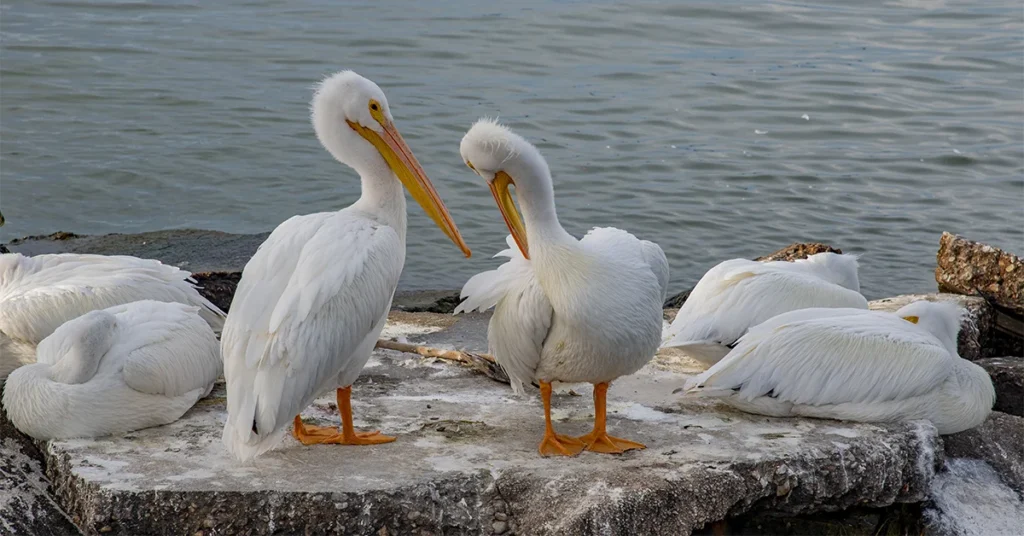
Florida is famous for its sunshine, beaches, and wetlands—but for bird lovers, it’s also a paradise filled with some of the most graceful white birds in North America. From quiet marshes to bustling coastal shores, white birds in Florida are everywhere, adding elegance and beauty to the landscape. Their bright feathers, slow wingbeats, and calm presence make them impossible to ignore.
Whether you’re a casual nature lover, a photographer, or someone who simply enjoys spotting wildlife during a morning walk, this guide will help you understand, identify, and appreciate Florida’s most elegant white birds. Let’s explore who they are, where to find them, and why they matter so much to Florida’s natural ecosystem.
ALSO READ: Why Educationbeing.com Is Redefining Modern Education
Why Florida Is Home To So Many White Birds
Florida’s geography is a dream come true for birds. The state is packed with wetlands, lakes, rivers, estuaries, mangroves, and coastal shorelines. These habitats provide abundant food like fish, insects, crustaceans, and amphibians—perfect for white birds that rely heavily on shallow water feeding.
Warm temperatures year-round also make Florida a major stopover and wintering ground for migratory species. Some white birds live in Florida all year, while others visit seasonally, adding to the state’s incredible bird diversity.
White feathers offer more than just beauty. In Florida’s sunny climate, lighter feathers reflect heat better than dark ones. In shallow waters, white plumage may also help birds blend with the bright sky reflections, giving them a hunting advantage.
Great Egret: Florida Iconic White Bird
The great egret is one of the most recognizable white birds in Florida. Tall, slender, and strikingly elegant, it often stands motionless in shallow water, waiting patiently for its next meal.
How to Identify a Great Egret
- Pure white feathers
- Long, S-shaped neck
- Yellow bill
- Black legs and feet
Where You’ll See Them
Great egrets are commonly found in wetlands, marshes, lakes, ponds, and coastal estuaries throughout Florida. They’re just as comfortable in protected wildlife refuges as they are in suburban retention ponds.
Interesting Fact
The great egret once faced severe population decline due to the plume trade, where its feathers were used in fashion. Conservation efforts helped bring this elegant bird back from the brink.
Snowy Egret: Small Stylish And Energetic
The snowy egret is smaller than the great egret but full of personality. It’s one of the most active white birds in Florida, often seen darting through shallow water in pursuit of fish.
Key Features
- Bright white plumage
- Thin black bill
- Black legs with distinctive yellow feet
Behavior to Watch
Snowy egrets are known for their foot-stirring technique, where they shuffle their feet to scare fish into moving. This makes them fun to watch and easy to recognize.
White Ibis: A Social Florida Favorite
The white ibis is one of the most familiar white birds in Florida, especially in urban areas. You might see flocks of them probing lawns, golf courses, and parks.
Identification Tips
- White body
- Long, curved orange bill
- Pinkish-red legs
Habitat
White ibises thrive in wetlands but have adapted well to human environments. They’re often seen in groups, making them one of the most social white birds in the state.
Wood Stork: The Gentle Giant
The wood stork is one of Florida’s largest white birds and looks quite different from egrets and ibises.
Distinctive Traits
- White body with black flight feathers
- Bald, dark gray head
- Thick, curved bill
Why They’re Special
Wood storks are unique feeders, relying on touch rather than sight to catch fish. Their presence often signals healthy wetland ecosystems.
American White Pelican: A Seasonal Visitor
Although not a year-round resident, the American white pelican is one of the most impressive white birds in Florida during winter months.
What Makes Them Stand Out
- Massive wingspan
- Long orange bill
- Snow-white body with black wing tips visible in flight
Where to Spot Them
They’re commonly seen on large lakes, bays, and coastal waters, often working together to herd fish.
Cattle Egret: The Bird That Loves Livestock
The cattle egret is a bit different from other white birds in Florida because it often feeds on land rather than in water.
Identification
- Shorter and stockier than other egrets
- White body with yellow bill
- During breeding season, may show orange or buff-colored feathers on the head and chest
Fun Detail
Cattle egrets often follow cows, horses, or even lawnmowers, catching insects that are disturbed by movement.
White Birds In Coastal Florida
Florida’s coastline adds another layer of diversity to its white birds. Gulls, terns, and shorebirds may not be completely white, but many have predominantly white bodies and play an important role in coastal ecosystems.
These birds are often seen:
- Resting on beaches
- Flying low over waves
- Nesting on barrier islands
Their presence highlights the connection between Florida’s land and sea environments.
Best Places To See White Birds In Florida
You don’t need to travel far to enjoy white birds in Florida. Some of the best viewing spots include:
- Wetlands and marshes
- State parks and wildlife refuges
- Coastal estuaries and bays
- Urban ponds and lakes
Early morning and late afternoon are usually the best times to see birds actively feeding.
Why White Birds Matter To Florida Ecosystem
White birds are more than just beautiful—they are vital indicators of environmental health. Because many rely on clean water and stable fish populations, changes in their numbers can signal problems in ecosystems.
They also help:
- Control insect and fish populations
- Maintain balance in wetland food chains
- Increase awareness of conservation needs
Protecting white birds means protecting Florida’s wetlands, which also benefit humans by reducing flooding and improving water quality.
Tips For Watching White Birds Responsibly
If you enjoy observing white birds in Florida, keep these simple guidelines in mind:
- Keep a respectful distance
- Avoid disturbing nesting areas
- Do not feed wild birds
- Stay on marked trails
Responsible birdwatching ensures these elegant flyers remain part of Florida landscape for generations to come.
Conclusion
White birds in Florida are some of the most graceful and captivating creatures you’ll ever see. From the stately great egret to the social white ibis and the massive American white pelican, each species adds its own charm to the state’s natural beauty.
Their presence tells a story of rich wetlands, thriving ecosystems, and successful conservation efforts. Whether you’re spotting them in a quiet marsh or right outside your neighborhood, these elegant flyers remind us to slow down, look around, and appreciate the wild beauty Florida has to offer.
FAQs
What is meant by white birds in Florida?
White birds in Florida refer to bird species with predominantly white plumage that live in or migrate through the state, such as egrets, ibises, storks, and pelicans.
Are white birds in Florida found year-round?
Some white birds live in Florida all year, while others are seasonal visitors that arrive during migration or winter months.
What is the most common white bird in Florida?
The great egret and white ibis are among the most commonly seen white birds throughout the state.
Where is the best place to see white birds in Florida?
Wetlands, marshes, coastal areas, and even urban parks offer excellent opportunities to see white birds in Florida.
Are white birds protected in Florida?
Yes, most white birds are protected under wildlife conservation laws, and disturbing or harming them is illegal.
ALSO READ: Drawing Out Hilbert Curve: A Visual Journey Into Fractals